The Reading Room
Everything Tikibound knows, somebody researched first. These are the books, chronicles, and archives this site stands on — the shipwrights of the whole revival. Every link is plain: no affiliate strings, no kickbacks, just the way to the source. Buy the books; the research is how the lost bars stay found.
The Bookshelf

The primary source — Vic’s own manual, in his own voice, Mai Tai included (1972 revision). Long out of print; worth the used-bookstore hunt.
Find the book ↗
Where the modern tiki revival starts on paper — Berry’s first field notebook of rescued recipes, published when almost nobody was looking.
Find the book ↗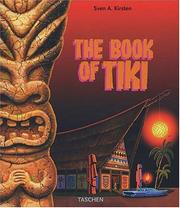
The urban archaeology that gave the whole culture back its name — Kirsten dug the temples, mugs, menus, and matchbooks out of thrift stores and defined what "tiki style" even means.
Find the book ↗
Donn’s recipes and story as kept by his widow Phoebe — the closest thing to the Beachcomber’s own book.
Find the book ↗
The second log of the rescue mission — deeper into the vanished bars and the drinks that went down with them.
Find the book ↗
The guidebook that drove the routes before us — a state-by-state census of what was still standing in the early revival. A kindred spirit and a time capsule; many of its stops are now on our Dead Reckoning layer.
Find the book ↗
The food side of the story — pupu platters, flaming appetizers, and the mid-century menus that fed the tiki temples.
Find the book ↗
The essential text. Berry tracked down the surviving bartenders of the Don the Beachcomber era and decoded the coded recipes they carried — the Zombie among them. Nearly every "lost recipe, found" story in tiki runs through this book. A 10th-anniversary edition (2017) added more.
Find the book ↗
The crossroads where tiki met mid-century modernism — A-frames, witco, and the architects who built the South Seas in the suburbs.
Find the book ↗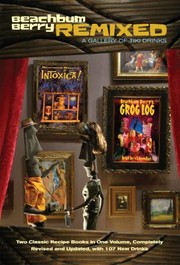
Grog Log and Intoxica! remastered into one volume with corrections and new finds — the working copy most home bars actually pour from.
Find the book ↗
500 years of the rum canon before and beneath tiki — the island drinks the beachcombers borrowed from. Where the Daiquiri, Planter’s Punch, and the Hurricane get their histories told properly.
Find the book ↗
The full arc — how America conjured its own Polynesian paradise, told for the Musée du quai Branly exhibition in Paris. The one-volume history to hand a curious friend.
Find the book ↗
The definitive chronicle of the greatest surviving tiki temple — the Thornton brothers, the Molokai bar, the mystery drink girls — by the historian whose Grogalizer inspired how our Taste of History handles recipes.
Find the book ↗
The modern era’s bible — history, technique, rum scholarship, and the philosophy of running a great tiki bar, from the founders of San Francisco’s Smuggler’s Cove.
Find the book ↗Chronicles & Community
Two decades of collective research in forum form — carvers identified, matchbooks dated, ghosts remembered firsthand. The community’s long memory, searchable.
Visit ↗For twenty years (2002–2022), the beloved atlas of tiki — over a thousand locations, living and lost, lovingly kept. Tikibound walks a trail Critiki blazed, on purpose in a different direction. Preserved at the Internet Archive.
Visit ↗The great mug census — collections cataloged, artists attributed, by the thousands. The site has gone dark; the Internet Archive keeps its memory. One half of the DNA for our someday mug gallery — a torch worth picking up carefully.
Visit ↗The running chronicle of the tiki present — event coverage, Mai-Kai reporting, Hukilau history. We cite it constantly; consider it this site’s news desk of record.
Visit ↗Track which Beachbum Berry drinks you’ve mixed — it points you to the book and page rather than reprinting the recipe. The etiquette model our Taste of History follows.
Visit ↗The Archives
The ephemera motherlode — menus, matchbooks, postcards, scanned from a private collection over decades. The domain has since gone dark; the archive survives at the Internet Archive. Per our house etiquette, her scans stay on her pages.
Visit ↗Where our period-press research lives — the Oakland Tribune ads and reviews behind the Zombie Village story came from these scans. California’s tiki history, day by day, as it ran.
Visit ↗The national newspaper archive — free, public domain, and deep. When a lost bar made the papers outside California, this is where we dig.
Visit ↗On Screen
The documentary treatment of Ernest Gantt’s invention of the beachcomber’s world — interviews, archives, and the man behind the myth.
Visit ↗